
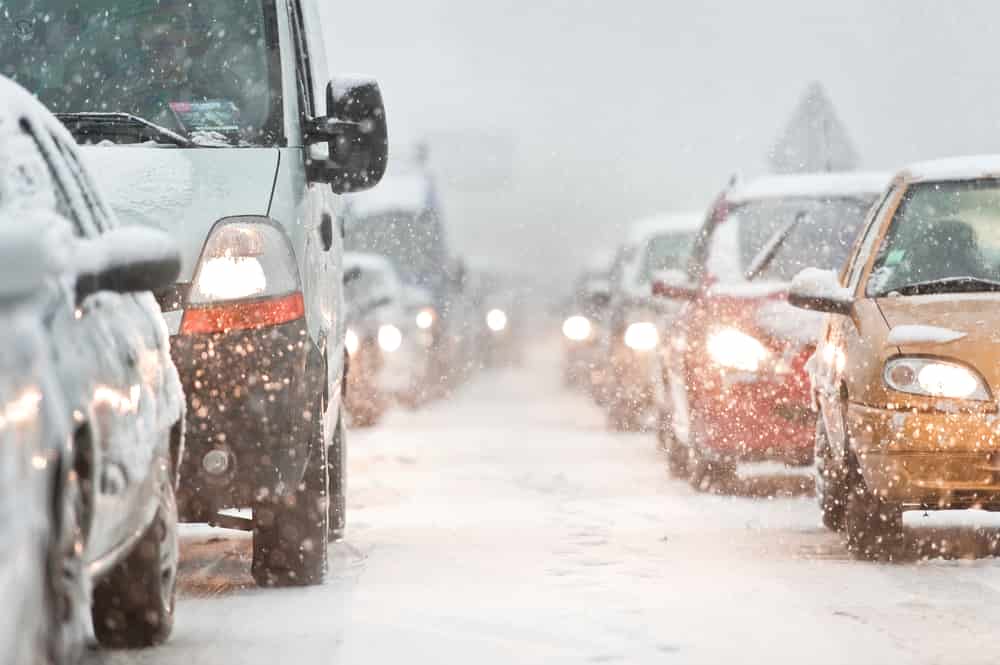

Winter driving in Tacoma, Washington can be far more dangerous than many drivers expect. While the city does not experience extreme snowfall every year, cold temperatures, rain, ice, darkness, and limited daylight combine to create hazardous road conditions that contribute to serious vehicle accidents.
Even experienced drivers can be caught off guard when roads look wet but are actually icy, or when visibility drops suddenly during winter storms.
If you drive in Tacoma during the winter months, understanding these hazards and how they lead to crashes can help you stay safer and recognize how another driver’s negligence may have caused your injuries.
If you believe someone else was responsible for your collision, talk to an experienced Tacoma car accident lawyer to learn more.
Key Takeaways About Winter Driving Hazards in Tacoma
- Winter weather significantly increases the risk of vehicle accidents in Tacoma
- Rain, ice, and reduced visibility contribute to loss of vehicle control and the need for longer stopping distances
- Bridges, overpasses, and shaded roads often freeze first
- Many winter crashes are caused by drivers failing to adjust their speed and behavior
- If you are injured in a winter accident, you may still have legal options even if the weather played a role
Why Winter Driving Is Especially Risky in Tacoma
Tacoma’s winter hazards are unique compared to colder regions. Drivers may not expect winter conditions to be as dangerous, leading to complacency behind the wheel. Instead of steady snowpack, Tacoma often sees fluctuating temperatures, frequent rain, and overnight freezes, creating unpredictable road conditions.
Winter hazards here are not always obvious. Roads may appear merely wet while hiding black ice. Visibility can change quickly due to fog, heavy rain, or early darkness. These factors increase the likelihood of sudden braking, skidding, and multi-vehicle collisions.
Rain and Slick Roads are a Major Cause of Winter Accidents
Rain is one of the most common winter hazards in Tacoma and one of the most dangerous. During winter months, rain mixes with oil, debris, and residue that build up on roadways, creating slick surfaces that reduce traction.
How Rain Contributes to Vehicle Crashes
- Reduced tire grip increases a vehicle’s necessary stopping distances
- Hydroplaning becomes more likely at higher speeds
- Drivers often underestimate how slippery the road has become
- Sudden braking leads to rear-end collisions
Even light rain can significantly affect vehicle handling, especially when combined with cold pavement.
Black Ice and Freezing Conditions
Black ice is one of the most dangerous winter hazards because it is nearly invisible. It forms when temperatures hover near freezing and moisture freezes on the roadway quickly.
Where Black Ice Commonly Forms in Tacoma
While this dangerous condition can occur almost anywhere, these roadways are usually the first places you will encounter icy scenarios:
- Bridges and overpasses
- Elevated ramps and freeway connectors
- Shaded residential streets
- Areas with poor drainage
Black ice often leads to loss-of-control accidents, including spinouts, rollovers, and chain reaction crashes on highways and major roads.
Snowfall and Compacted Snow
While heavy snowfall is less frequent in Tacoma, when it does occur, it often leads to widespread travel disruptions and accidents. Snow can quickly become compacted and icy, especially when temperatures fluctuate.
How Snow Leads to Serious Accidents
Drivers facing snowy situations must adjust their speed and maneuvering to account for:
- Reduced visibility during snowfall
- Difficulty stopping or steering on packed snow
- Vehicles sliding through intersections
- Drivers unfamiliar with snow driving
Many winter accidents occur when drivers fail to reduce speed or simply leave enough space between vehicles.
Reduced Visibility and Early Darkness
Winter brings shorter days and longer periods of darkness. Combined with rain and fog, this significantly reduces visibility for drivers.
Visibility Challenges That Increase Crash Risk
Under low-light or foggy conditions, many drivers will experience:
- Headlight glare reflecting off wet roads or fog
- Limited sight distances
- Difficulty seeing pedestrians, cyclists, and stopped vehicles
- Reduced reaction time at intersections
Poor visibility often contributes to intersection crashes, rear-end collisions, and accidents involving pedestrians.
Increased Stopping Distances in Cold Weather
Cold temperatures affect more than road surfaces. Tires become stiffer and less flexible, which reduces road traction. Brakes may require longer distances to bring a vehicle to a complete stop.
On winter roads, stopping distances can double or even triple compared to dry conditions. Drivers who follow too closely are far more likely to cause rear-end accidents.
Highway and Freeway Hazards During Winter
Major roadways like Interstate 5 become especially dangerous during winter conditions. Higher speeds, more traffic, combined with slick surfaces, can lead to severe multi-vehicle crashes.
Common Winter Freeway Accidents
When weather conditions change quickly, the highways around Tacoma can be affected rapidly, and drivers may encounter:
- Chain reaction rear-end collisions
- Jackknifing or sliding vehicles
- Vehicles losing control on ramps
- Sudden slowdowns due to weather or visibility
Winter freeway accidents often result in serious injuries due to the speed and force involved.
Driver Behavior Plays a Critical Role
While weather contributes to winter accidents, many crashes occur because drivers fail to adjust their behavior to conditions.
Common Driver Errors in Winter Conditions
- Driving too fast for conditions
- Following other vehicles too closely
- Failing to clear windows and mirrors
- Overconfidence in vehicle handling
- Abrupt braking or steering
The weather does not excuse negligent driving. Drivers are still expected to operate their vehicles safely, given the conditions.
What if Both Drivers Were at Fault?
Winter accidents often raise complicated fault questions. One driver may have been traveling too fast for icy conditions, while the other may have followed too closely or failed to use headlights in heavy rain. In these situations, Washington’s comparative negligence law applies.
Washington follows a pure comparative fault system. This means that more than one driver can share responsibility for a crash, and each person will be allocated a percentage of the fault. If you are found to be 20% at fault and you are awarded compensation, the total amount will be reduced by 20%, the fault assigned to you.
Importantly, you can still recover compensation even if you were partially at fault. Insurance companies often try to shift a larger share of the blame onto injured drivers in winter crashes to reduce payouts. An experienced car accident lawyer can explain how comparative negligence may apply to your case and help ensure that fault is allocated fairly based on the evidence, not just the weather conditions.
Common Injuries in Winter Vehicle Accidents
Because winter crashes often involve loss of control or sudden impacts, they can lead to serious injuries for all involved. Common injuries include:
- Head and brain injuries
- Neck and back injuries
- Broken bones
- Soft tissue injuries
- Internal injuries
These injuries may not be immediately obvious and can worsen over time without proper treatment. They can also result in expensive medical bills, the inability to work, and pain and suffering, all of which may be compensable in a civil lawsuit against the responsible parties.
What to Do After a Winter Car Accident in Tacoma
If you are injured in a winter car accident in Tacoma, the steps you take in the hours and days following can have a lasting impact on your health, your finances, and your ability to recover compensation. Winter crashes often involve outside factors like ice, rain, and poor visibility, but those conditions do not mean you are without the right or option to pursue the other driver if they acted negligently under the circumstances.
After a serious vehicle accident, consider taking these steps as you are able.
Seek Medical Care Promptly
Your health should always come first. Winter accidents frequently involve sudden stops, loss of control, or high-impact collisions that can cause injuries that are not immediately obvious. Head injuries, neck and back trauma, and soft tissue damage may take hours or even days to fully surface. Seeking medical care right away helps ensure:
- Injuries are diagnosed, and treatment begins before your condition worsens
- Your treatment is documented from the start
- There is a clear medical connection between the crash and your injuries
Delaying care can not only put your health at risk, but it can also give insurance companies a reason to question the seriousness or cause of your injuries.
Document Road and Weather Conditions
Winter road hazards can change quickly. Ice melts, snow is cleared, and rain dries up. If you are able, document the conditions as close to the time of the accident as possible. Helpful documentation may include:
- Photos or videos of icy or snow-covered roads
- Poor visibility, fog, or heavy rain
- Skid marks or vehicle positions
- Nearby warning signs or a lack of salt or sand on the roadway
This information can be important if an insurance company later argues that the crash was unavoidable or that conditions were not as bad as claimed.
Report the Accident to Law Enforcement
Under Washington law, you must file a police report after a winter accident involving injuries or significant damage. A police report creates an official record of what happened, including the time, location, weather conditions, and involved parties.
While a police report does not determine the outcome of an insurance claim or lawsuit on its own, it often plays a key role in establishing facts and supporting your version of events.
Be Careful With Insurance Company Statements
After a winter crash, insurance adjusters may reach out quickly and appear helpful or concerned. It is important to remember that insurance companies are focused on minimizing accident claim payouts. Be cautious about:
- Giving recorded statements early on
- Saying you are “fine” before fully understanding your injuries
- Agreeing that the weather caused the accident
- Accepting a quick settlement before knowing the full extent and cost of your injuries
Many winter accidents are preventable. Drivers are expected to slow down, maintain control, and adjust their behavior to the conditions. Statements that suggest the crash was unavoidable can be used to reduce or deny your claim.
Set Up a Free Consultation With a Tacoma Car Accident Lawyer
Winter accident claims can be more complicated than typical crashes. Insurance companies often argue that ice, snow, or rain was the real cause, even when a driver was speeding, following too closely, or failing to maintain control of their vehicle.
A Tacoma car accident lawyer can help by:
- Handling communication with insurance companies
- Gathering evidence before it disappears
- Evaluating whether another driver failed to drive safely in the winter conditions
- Calculating the full impact of your injuries, including future care and lost income
- Fighting for the compensation you deserve from the responsible parties
Having legal guidance allows you to focus on healing while someone else protects your rights and pushes back against unfair insurance tactics.
Taking these steps does not mean you are committing to a lawsuit. It is simply a way to protect yourself after a serious winter accident and to make informed decisions at a time when stress and uncertainty are already high.
Once the immediate steps are handled, many injured drivers ask an important legal question: Who is actually responsible for a winter car accident?
While ice, rain, or snow may have played a role, weather alone does not automatically determine fault. Understanding how liability works in winter driving accidents can help clarify whether another driver’s actions contributed to your injuries and whether you may be entitled to compensation.
How Can Someone Be Liable for a Winter Accident?
Even when winter weather is involved, drivers may still be held responsible if they fail to drive safely for the conditions. Liability may stem from:
- Speeding or aggressive driving
- Following too closely
- Failure to maintain control
- Poor vehicle maintenance
Bad weather does not excuse driver negligence that leads to a crash and injures other people.
Frequently Asked Questions About Winter Driving Accidents
Are winter accidents automatically considered no-fault because of the weather?
No. Drivers are still expected to adjust speed and behavior based on road conditions. If a driver fails to do so, they may be responsible for the crash and the accident victim’s losses.
What if both drivers lost control due to ice?
Fault may still be determined based on speed, following distance, and overall driving behavior. Each case depends on the specific facts.
Can poor road maintenance contribute to a winter accident?
In some situations, inadequate road maintenance or failure to address known hazards may contribute to an accident. These cases require careful evaluation by a skilled legal professional.
Should I wait to report symptoms after a winter crash?
No. Symptoms can worsen over time, especially with head, neck, and back injuries. Early medical evaluation is important.
How long do winter accident injury claims typically take?
The timeline varies depending on the severity of injuries, treatment needs, and insurance issues. Some cases resolve quickly, while others take longer.
Trust Jacobs & Jacobs to Help You Protect Your Legal Rights After a Winter Driving Accident

Car Accident Lawyer
If you were injured in a winter driving accident in Tacoma, you may be dealing with pain, missed work, and mounting stress. You do not have to face this situation alone or assume that you have no options because the crash happened during bad weather.
Call Jacobs & Jacobs at (253) 845-0577 for a free consultation. Our team can listen to your story, explain your options, and help you understand what steps may be available as you focus on healing and reclaiming your life.