
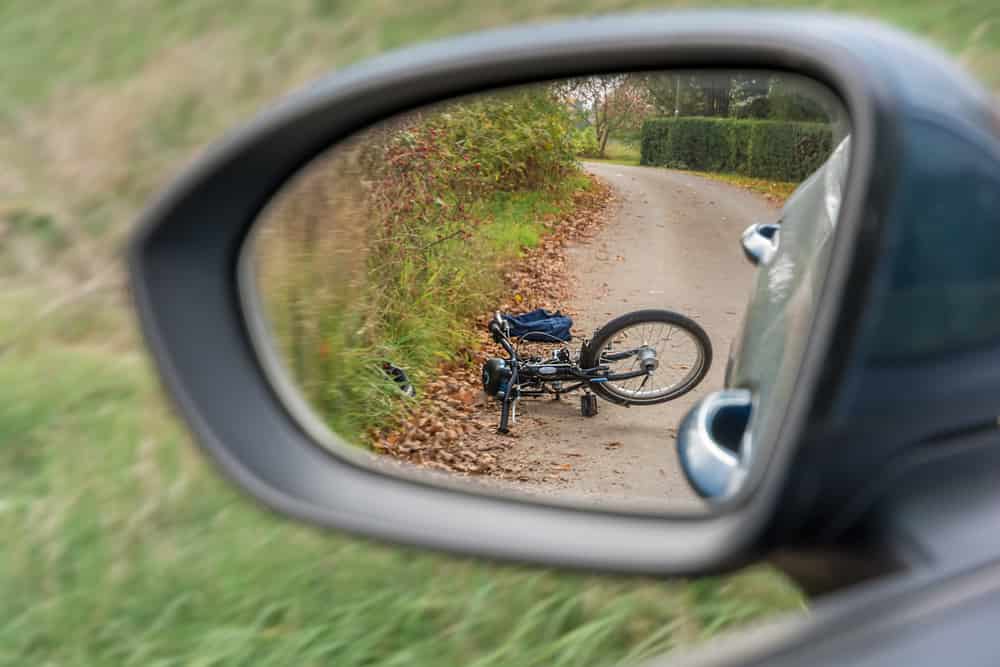

If you were involved in a hit-and-run accident, you are likely feeling shocked, angry, and unsure of what to do next. In a matter of seconds, another driver may have caused life-altering injuries, then fled the scene without taking responsibility.
If this happened to you in Tacoma, you are not alone. Hit-and-run crashes occur throughout Pierce County every year, leaving crash victims with extensive medical expenses, time missed at work, and ongoing concerns.
Even if the at-fault driver has not been identified, you may still have options. Knowing what to do after a hit-and-run in Tacoma can protect your health, preserve important legal evidence, and strengthen your ability to pursue compensation for your losses.
Key Takeaways About Hit-and-Run Accidents in Tacoma
- Leaving the scene of an accident is illegal in Washington State
- You should prioritize your safety and medical care, then report the crash immediately
- Uninsured motorist coverage may provide compensation if the driver is not found
- Evidence collection is critical in the early stages
- Comparative fault laws still apply in hit-and-run cases
Why Hit-and-Run Accidents Are So Frustrating
When a negligent driver leaves the scene of an accident, it adds an extra layer of stress to an already traumatic event. You may be dealing with injuries, vehicle damage, and uncertainty. Many injured drivers worry that without the other driver’s information, they cannot recover compensation.
That is not necessarily true.
Washington law requires drivers involved in accidents to stop, exchange information, and provide reasonable assistance if someone is injured. Failing to do so is a crime in our state.
However, while law enforcement may pursue criminal charges, your primary concern is often how to cover medical bills and repair costs while you recover from your injuries. Let’s review your options and steps you can take to help ease some of that uncertainty.
Steps to Take Immediately After a Hit-and-Run in Tacoma
The actions you take in the minutes and hours after the crash can significantly affect your future. Depending on your injuries, you may not be capable of doing these tasks, but if possible, here are some important tips to protect yourself following an accident:
Ensure Your Safety and Call 911
Move to a safe location if possible and call emergency services right away. Even if injuries appear minor, adrenaline can mask pain. Reporting the crash immediately also creates an official record that the other driver fled the scene.
Seek Medical Attention
Do not delay medical evaluation. Hit-and-run crashes often involve sudden impacts or unexpected collisions that can cause concussions, whiplash, fractures, and internal injuries. Prompt care protects both your health and your legal claim.
Try to Gather Identifying Information
Even partial details can be helpful. If you are able, note:
- License plate numbers, even if incomplete
- Vehicle make, model, color, or distinguishing features
- Direction of travel
- Physical description of the driver
Witnesses may also have seen details you missed. Ask for their contact information if possible.
Document the Scene
Take photographs of vehicle damage, debris, skid marks, and nearby businesses or traffic cameras. Weather conditions and lighting may also be relevant.
What to Do in the Days and Weeks After a Hit-and-Run in Tacoma
The immediate shock of a hit-and-run often fades within a few days, but that is when new challenges begin to surface. Pain may increase, medical appointments and bills start to add up, insurance calls begin, and the emotional impact becomes more noticeable. Consider these steps to protect both your recovery and any potential claim:
Follow Through With Medical Care and Monitor Symptoms
It is common for injuries to evolve in the days after a collision. Neck stiffness, headaches, back pain, numbness, and fatigue may intensify as inflammation develops. Attend all follow-up appointments and closely follow your provider’s treatment recommendations.
If new symptoms appear, report them promptly. Delayed documentation can make it more difficult to connect those injuries to the crash later. Keep copies of discharge summaries, imaging results, prescriptions, and treatment plans.
Start a Pain and Limitation Journal
One of the most effective ways to document how a hit-and-run has affected your life is to keep a simple daily journal. Write down:
- Your pain levels each day
- Physical limitations, such as difficulty lifting, walking, or sleeping
- Missed work or reduced hours
- Emotional symptoms like anxiety, frustration, or fear of driving
- Activities you can no longer enjoy
Over time, these notes create a clear picture of how the accident disrupted your routine and quality of life. Months later, it can be difficult to remember exactly how severe your symptoms were in the early weeks. A journal preserves that detail.
Organize All Accident-Related Documents
Hit-and-run claims often involve extensive paperwork. Creating a dedicated folder, either physical or digital, can reduce stress and prevent important information from being misplaced.
Include:
- The police report
- Medical bills and records
- Insurance correspondence
- Repair estimates and receipts
- Pharmacy receipts
- Notes from phone calls with insurers
Keeping everything organized makes it easier to respond quickly to requests and ensures nothing important is overlooked.
Be Cautious About Social Media
Insurance companies review social media accounts during their investigations. Posts, photos, or comments that seem harmless can be misinterpreted.
For example, a picture of you attending a family gathering could be used to argue that you are not seriously injured, even if you were in pain the entire time. Consider adjusting privacy settings and avoiding posts about the accident, your injuries, or physical activities until your claim is resolved.
Track Lost Income and Financial Impact
If your injuries prevent you from working, document your missed hours, lost wages, and any changes in your job responsibilities. If you are self-employed, keep records of canceled appointments or reduced income.
Financial stress often becomes one of the most overwhelming aspects of a hit-and-run. Clear documentation helps demonstrate the true cost of the accident.
Stay in Communication With Law Enforcement
If investigators identify new information about the fleeing driver, they may reach out. Respond promptly and provide any additional details you remember. Even small observations can become meaningful as the investigation progresses.
Speak With an Experienced Tacoma Car Accident Attorney Early
The weeks after a hit-and-run are confusing, especially when dealing with your own insurance company under uninsured motorist coverage. A Tacoma car accident attorney can step in to handle communications, review policy language, and ensure that deadlines are not missed.
Early guidance often prevents common mistakes, such as accepting a quick settlement before understanding the full extent of your injuries or providing recorded statements without preparation.
Taking these steps in the days and weeks after a hit-and-run can help restore a sense of control during a time that feels anything but stable. Healing takes time, and protecting your rights while you recover can make a meaningful difference in the long run.
How Hit-and-Run Crashes Are Investigated
Tacoma Police Department officers typically investigate hit-and-run accidents by gathering statements, reviewing nearby surveillance footage, and checking traffic camera footage. In some cases, nearby homes or businesses may have security cameras that captured the vehicle.
If a license plate is identified, law enforcement may be able to locate the registered owner. However, not all hit-and-run drivers are found. Even when they are identified, proving that they were driving at the time may require additional evidence.
A dedicated auto accident lawyer can work with the police and request their evidence to help resolve your injury claim while the officers focus on the criminal aspects.
What If the Hit-and-Run Driver Is Never Found?
One of the biggest fears after a hit-and-run is that you will be left paying for everything yourself. Fortunately, Washington drivers are required to carry uninsured motorist coverage unless they specifically reject it in writing.
Uninsured motorist coverage often applies in hit-and-run situations because the fleeing driver is treated the same as an uninsured driver. This type of coverage may compensate you for:
- Medical expenses
- Lost wages
- Pain and suffering
- Future medical treatment
Your own insurance company steps into the role of the at-fault driver’s insurer. However, this does not mean the process is simple.
Dealing With Your Own Insurance Company
Many injured drivers assume their own insurance company will automatically protect their interests. While uninsured motorist coverage exists for your benefit, insurers still evaluate claims carefully and may dispute aspects of your case.
Common challenges include:
- Questioning whether the accident was truly a hit-and-run
- Arguing about the severity of injuries
- Disputing medical treatment costs
- Allocating fault to you to reduce the payment
Even though you are dealing with your own insurer, the process can become adversarial.
What is Comparative Fault in Washington Hit-and-Run Cases?
Washington follows a pure comparative fault system. This means that even if you were partially responsible for the accident, you may still recover damages, but your compensation may be reduced by your percentage of fault.
In hit-and-run cases, insurers may attempt to shift blame by arguing that:
- You were speeding
- You failed to signal
- You were distracted
- You otherwise contributed to the collision
Without the other driver present to dispute facts, these arguments can become more aggressive. That is why documentation and early investigation are so important.
Emotional and Financial Stress After a Hit-and-Run
Medical bills can begin arriving within weeks. If you are unable to work, lost wages may compound the pressure. Meanwhile, you’re probably frustrated because the responsible driver fled without consequences.
It is important to remember that you do not have to manage this alone. A skilled Tacoma personal injury attorney can review your insurance coverage and explain your legal rights to help restore a sense of control.
How Long Do You Have to File a Claim in Washington?
In most personal injury cases in Washington, the statute of limitations is three years from the date of the accident. However, waiting too long to start an investigation can make it harder to find and preserve evidence.
For example, surveillance footage may be erased within days or weeks. Partnering with a legal advocate promptly increases the likelihood of identifying the driver or securing necessary documentation.
Can Criminal Charges Help Your Civil Claim?
If the hit-and-run driver is found and charged, that criminal case is separate from your civil injury claim. A conviction can strengthen your case, but compensation does not automatically follow criminal penalties. A civil claim focuses on recovering damages for your losses, regardless of whether criminal charges are filed.
What If You Were a Pedestrian or Cyclist in a Hit-and-Run?
Hit-and-run accidents frequently involve vulnerable road users. If you were walking or biking in Tacoma when struck by a fleeing vehicle, uninsured motorist coverage may still apply under certain policies. These cases often involve serious injuries and require careful legal evaluation of available coverage.
An Attorney Can Protect Your Rights After a Tacoma Hit-and-Run
Because hit-and-run cases can become complicated quickly, early legal guidance is valuable. An experienced Tacoma car accident attorney can:
- Investigate the crash thoroughly
- Communicate with insurers on your behalf
- Identify all potential sources of compensation
- Evaluate comparative fault arguments
- Calculate and fight for the full scope of your damages
Taking action does not mean escalating conflict. It means ensuring your interests are protected while you focus on healing.
FAQs About Tacoma Hit-and-Run Accidents
Will my insurance rates increase if I use uninsured motorist coverage?
Insurance policies differ, and rate changes depend on the circumstances and fault determinations. Many drivers use uninsured motorist coverage without automatic rate increases, but reviewing your policy details is important.
How can I prove it was truly a hit-and-run?
Prompt reporting, witness statements, and physical evidence at the scene help establish that another driver fled the scene.
Can I recover damages for emotional distress?
Yes. Emotional and psychological impacts may be part of a personal injury claim, particularly if they are documented by medical professionals.
Trust the Team at Jacobs & Jacobs to Protect Your Rights After a Hit-and-Run in Tacoma

Car Accident Lawyer
If you were injured in a hit-and-run accident in Tacoma, you deserve answers and support. The uncertainty surrounding these crashes can make recovery even more stressful, especially when the other driver has not been identified.
The tenacious lawyers at Jacobs & Jacobs have experience helping injured people navigate complex insurance claims, including uninsured motorist cases. We understand how to investigate hit-and-run crashes and protect clients from unfair blame shifting.
Call us today at (253) 845-0577 for a free consultation. Let our team review your situation, explain your options, and help you move forward with confidence while you focus on your recovery.