
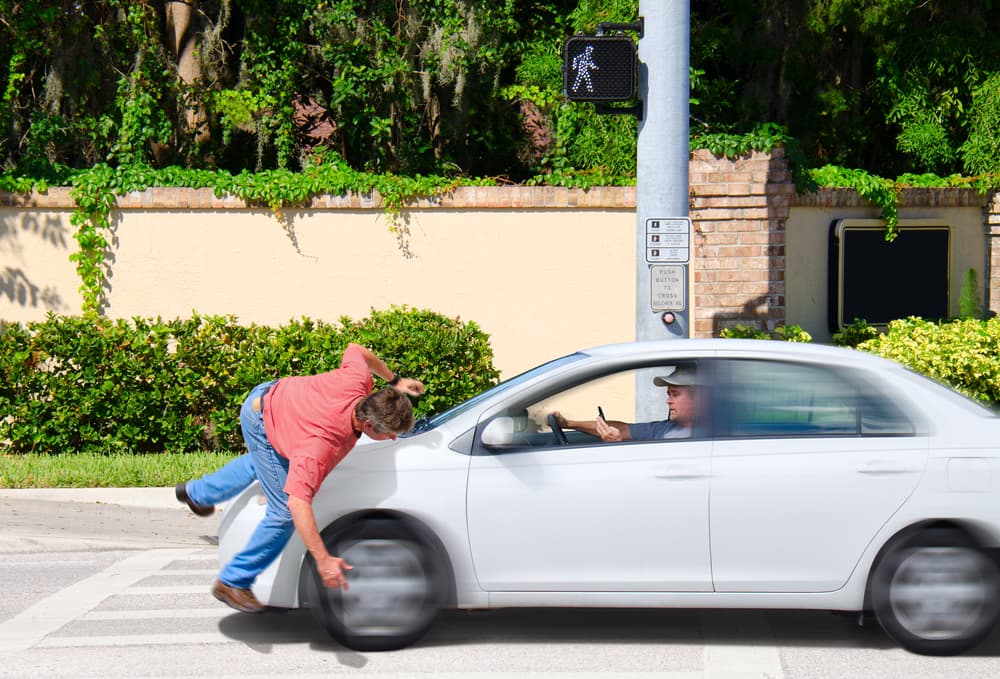

Pedestrian safety is a growing concern on Pacific Avenue in Tacoma, where people walking between homes, schools, transit stops, and businesses increasingly face dangerous conditions.
Pacific Avenue is one of the city’s busiest thoroughfares, carrying high traffic volumes through residential neighborhoods and commercial corridors alike. That mix of vehicles, foot traffic, and complex intersections has contributed to a pattern of serious, even fatal, pedestrian collisions.
Below, you’ll discover why Pacific Avenue poses risks to pedestrians, how data shows those risks, what contributing factors make crashes more likely, and how Tacoma residents and visitors can stay safer. You’ll also find practical steps to take if you or someone you love are injured by a pedestrian crash in Tacoma, Washington. In these situations, a Tacoma pedestrian accident lawyer can help you understand your rights and pursue the compensation you deserve.
Key Takeaways About Pedestrian Safety on Pacific Avenue
- Pacific Avenue is one of Tacoma’s most heavily traveled roadways and also one of the most dangerous for pedestrians.
- A combination of high vehicle speeds, frequent intersections, and inadequate pedestrian infrastructure increases the likelihood of serious crashes.
- Tacoma’s pedestrian crash rate mirrors broader statewide trends, showing vulnerable road users at elevated risk.
- Community design improvements, driver awareness, and targeted safety measures can reduce pedestrian risk, but awareness and caution remain crucial.
- If you or a loved one was hit by a vehicle while walking, understanding your options and seeking support early can protect your rights.
Why Pacific Avenue Is a Focal Point for Pedestrian Safety Concerns
Pacific Avenue is a central north–south artery running through Tacoma’s core. Its role as a major city connector means:
- A wide diversity of users — commuters, school children, transit riders, shoppers, service workers, and residents — all share the space.
- High traffic volumes day and night, increasing the number of interactions between vehicles and pedestrians.
- Frequent access points — driveways, parking lots, transit stops — where pedestrians enter and exit the roadway.
These characteristics make Pacific Avenue especially complex from a safety standpoint. For pedestrians who lack the physical protection vehicles offer, the consequences of a collision can be devastating.
What the Data Says: Pedestrian Crashes in Tacoma

State and local crash data paint a sobering picture for pedestrians.
Across Washington State, traffic collisions involving pedestrians are a persistent concern. In recent years, Washington has seen an increase in pedestrian fatalities even as overall traffic deaths have fluctuated.
According to the Washington Traffic Safety Commission (WTSC), pedestrians account for a disproportionate share of traffic deaths relative to their share of travel activity. In one recent year, pedestrians accounted for about 16% of fatalities despite walking representing a small fraction of trips statewide.
While Tacoma-specific annual totals vary year to year, Pacific Avenue consistently appears in local safety studies and community planning documents as one of the corridors with high pedestrian-involved crash counts.
What this means: Even vigilant walkers can be at risk on Pacific Avenue because crashes are driven by roadway design, traffic volume, and driver behavior, not just individual pedestrian choices.
Where Pedestrian Crashes Most Often Occur on Pacific Avenue
Not all parts of Pacific Avenue are equally risky. Data shows that pedestrian collisions tend to cluster around:
Major Intersections
Pedestrian crashes on Pacific Avenue are often concentrated at busy signalized intersections, especially where side streets feed high volumes of turning vehicles. Left and right turns, particularly when drivers fail to yield, account for many collisions near crosswalks.
Transit Stops and Shared Crossings
Pacific Avenue carries several Tacoma Transit routes, and bus stops often require pedestrians to cross travel lanes. When sidewalks, refuge islands, and safe crossing signals are missing or insufficient, pedestrians are exposed to moving vehicles for longer periods.
Commercial Zones
Near retail corridors, restaurants, and service areas, pedestrian movements increase sharply. Drivers focused on finding parking or navigating traffic may be less attentive to people walking across or along the roadway.
Key Factors That Increase Pedestrian Risk
Several factors contribute to pedestrian danger on Pacific Avenue. These elements often interact, creating compounded risks rather than isolated problems.
High Vehicle Speeds
Traffic safety research has consistently shown that vehicle speed dramatically affects pedestrian injury risk. A pedestrian struck at 20 mph has a much higher chance of surviving than one hit at 40 mph. Pacific Avenue’s wide lanes and long signal gaps can inadvertently encourage higher speeds, reducing drivers’ reaction time to see and stop for walkers.
Inadequate Pedestrian Infrastructure
Safe walking requires more than sidewalks. It requires crosswalks with clear markings, pedestrian signals with sufficient crossing time, refuge islands on wide roadways, and lighting that ensures visibility at night. Where these features are missing or outdated, pedestrians must make longer, riskier crossings.
Complex Traffic Movements
Turning vehicles pose particular danger because drivers must watch both oncoming traffic and crossing pedestrians. When turn lanes are long and traffic signals permit overlapping flows, the complexity increases the likelihood of conflicts.
Distracted Driving
Distraction — whether from phones, navigation systems, or other in-car activities — reduces a driver’s ability to detect pedestrians in time to stop safely. National surveys consistently rank distraction as one of the leading contributing factors in pedestrian-involved crashes.
Transit Interaction
Transit buses stopping along Pacific Avenue create multiple pedestrian crossing points as riders enter and exit. Without well-marked crossings and traffic controls, pedestrians may step directly into lanes of moving traffic.
How Weather and Lighting Conditions Affect Pedestrian Safety

Tacoma’s climate, like much of Western Washington, features frequent rainy conditions and long nights in fall and winter. These environmental factors can indirectly increase pedestrian risk by:
- Reducing visibility for drivers and pedestrians alike
- Making road surfaces slick, increasing stopping distances
- Casting more shadows or glare, which obscures people walking near the roadway
Walkers wearing dark clothing or carrying bags may be especially hard to see in poor lighting. Even well-marked crosswalks can be less effective in low-visibility conditions.
What Local Officials Are Doing to Improve Safety
Tacoma and state transportation agencies are aware of pedestrian safety concerns and have implemented or planned initiatives to reduce crash risk. Many of these efforts align with the Vision Zero strategy adopted by cities across the U.S. to eliminate traffic fatalities and serious injuries.
Components of Tacoma’s pedestrian safety efforts include:
Signal Improvements
Updated signal timing with dedicated pedestrian phases can reduce conflicts between cars and walkers.
Crosswalk Enhancements
Adding high-visibility crosswalk markings, advanced stop bars, and pedestrian countdown signals helps clarify pedestrian priority zones.
Transit and Mid-Block Crossings
Where transit activity is heavy, mid-block crossings with refuge islands and flashers improve safety for people moving between bus stops and destinations.
Traffic Calming
In some sections, narrowing travel lanes, adding curb extensions, or tightening turn radii can reduce vehicle speeds and shorten crosswalk distances.
These improvements take time and investment, but they reflect a broader commitment to addressing known risk factors.
Safety Tips for Pedestrians on Pacific Avenue
Whether you live in Tacoma or are visiting, there are practical steps you can take to reduce your risk, including:
Choose Marked Crossings
Always use official crosswalks and obey pedestrian signals when they are available.
Make Eye Contact
Before stepping into the roadway, try to make eye contact with approaching drivers. This simple behavior increases the chance that they see you.
Stay Visible
Wear bright or reflective clothing, especially in low-light conditions. Consider carrying a light at night.
Minimize Distractions
Just as drivers can be distracted, pedestrians who use phones or headphones may miss critical visual and audible cues about nearby vehicles.
Understand Vehicle Blind Spots
Larger vehicles, especially buses and trucks, have significant blind spots. Stay alert to their presence and movements near boarding areas.
Allow Extra Time
Rushing to beat a signal or crossing against the light increases your time in the roadway and your exposure to moving vehicles. Wait for the walk signal to cross safely.
What to Do After a Pedestrian Crash on Pacific Avenue
If you or a loved one is struck by a vehicle while walking on Pacific Avenue, your priority should always be health and safety first. After ensuring you are out of immediate danger:
- Seek Medical Attention Immediately
Even if injuries don’t feel severe at first, some conditions — like internal bleeding or concussions — may not present early symptoms. - Document the Scene
Take photos of the location, vehicle damage, road conditions, crosswalk markings, and any visible injuries. - Get Witness Contact Information
Bystanders can provide valuable accounts that help reconstruct what happened. - Report the Crash
Contact law enforcement to have an official collision report prepared. - Preserve Evidence
Save clothing, shoes, bags, or other items worn at the time of the crash. - Track Medical Care and Costs
Keep detailed records of treatments, appointments, and expenses. - Consult With an Experienced Tacoma Personal Injury Lawyer
Call for a free consultation to learn how to protect your legal rights.
Collecting thorough evidence early protects your ability to pursue compensation if another party’s negligence contributed to the crash.
Frequently Asked Questions About Pedestrian Safety
How common are pedestrian fatalities on Pacific Avenue compared with other Tacoma streets?
Pedestrian crash patterns vary from year to year, but Pacific Avenue consistently appears in collision data as one of Tacoma’s corridors with a higher number of pedestrian-involved crashes, largely due to its traffic volume and mixture of land uses.
What role do intersection designs play in pedestrian safety?
Intersection design profoundly affects pedestrian risk. Wide intersections with multiple turning lanes, inadequate signals, or no refuge islands require longer crossings and increase exposure to conflicting vehicle movements.
Does Tacoma have a Vision Zero plan, and what does it mean?
Tacoma’s Vision Zero efforts aim to eliminate traffic deaths and serious injuries through strategic road design, enforcement, education, and engagement. It reflects a data-driven focus on high-risk locations like Pacific Avenue.
Can poor lighting contribute to pedestrian crashes?
Yes. Inadequate lighting reduces the visibility of pedestrians and critical roadway signs, especially during Western Washington’s long winter nights and rainy conditions. Well-lit crossings are far safer for walkers.
What should I do if I can’t afford my medical bills after a pedestrian crash?
Start by seeking guidance from a dedicated personal injury law firm. They can help you work with medical providers, community health resources, and insurance companies about payment options and support programs. A legal team can also help you understand whether compensation from responsible parties may be possible.
Work With Jacobs & Jacobs to Get Help After a Pedestrian Crash on Pacific Avenue

Pedestrian Accident Lawyer
If you or someone you care about was injured while walking on Pacific Avenue in Tacoma, you shouldn’t have to deal with the physical, emotional, and financial impacts alone. Our experienced personal injury team can help you understand your rights and options, including how to seek compensation from the at-fault driver for your medical expenses, lost wages, and pain and suffering.
Call Jacobs & Jacobs at (253) 845-0577 to speak with our legal professionals. We will listen, explain your choices, and guide you through the next steps. We offer free consultations so you can get real information without any upfront cost. Your safety and recovery matter, and you deserve support now.