
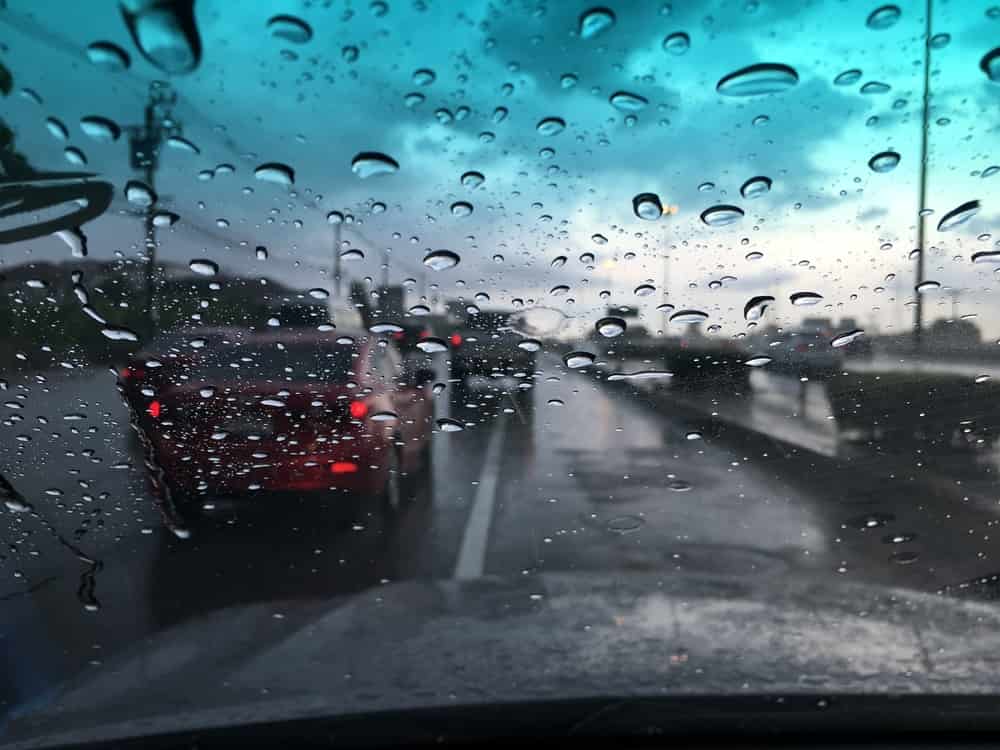

Tacoma’s rainy weather does not automatically excuse a car accident, but it often becomes a central issue in insurance claims. If you were injured in a crash during heavy rain, drizzle, or slick road conditions, you may already be hearing phrases like “the weather caused it” or “no one could have avoided that.”
The truth is more nuanced. While rain can contribute to dangerous driving conditions, under Washington state law, drivers are still legally required to operate their vehicles safely in those conditions.
Let’s look at how rainy weather affects car accident claims in Tacoma to help you protect your rights and avoid being unfairly blamed for a collision that was likely preventable.
Key Takeaways About Rainy Weather and Car Accident Claims in Tacoma
- Rain can increase crash risk in Tacoma by reducing visibility and traction
- Drivers must adjust their speed and behavior for wet conditions
- Bad weather does not automatically excuse negligence or eliminate liability
- Insurance companies often use bad weather as a defense strategy
- Strong documentation and experienced legal guidance can make a significant difference in your recovery
Why Rainy Weather Increases Car Accidents in Tacoma
Tacoma is no stranger to rain. Western Washington experiences consistent rainfall for much of the year, particularly in fall and winter. According to the National Weather Service, Tacoma averages more than 40 inches of precipitation annually, with many rainy days concentrated between October and April.
Rain affects driving in several important ways.
- Wet roads reduce tire traction, making it harder to stop or steer.
- Oil and debris that accumulate on pavement during dry periods rise to the surface when rain begins, creating especially slick conditions during the first rainfall after a dry spell.
- Visibility decreases due to water spray from vehicles, windshield glare, and low cloud cover.
- Reaction time becomes more critical because stopping distances increase significantly.
When drivers negligently fail to adjust to these conditions, accidents happen.
Common Types of Rain-Related Car Accidents in Tacoma
Rain-related crashes often follow predictable patterns.
Rear-end collisions are common when drivers follow too closely on wet pavement and cannot stop in time. Hydroplaning accidents occur when tires lose contact with the roadway due to standing water, causing drivers to lose control.
Intersection crashes increase when drivers misjudge stopping distances at traffic lights or slide into cross traffic. Multi-vehicle chain reaction crashes can develop quickly on busy roadways like Interstate 5 when traffic slows suddenly in heavy rain.
Although weather contributes to these accidents, they are frequently preventable with proper caution.
Does Rain Automatically Determine Fault in a Tacoma Car Accident?
One of the most common concerns injured drivers have is whether rain means no one can be held responsible for the crash. The short answer is no. Regardless of weather conditions, negligent drivers can be liable for causing a collision and paying for the injuries others suffer as a result.
Under Washington law, drivers are expected to operate their vehicles in a reasonably safe manner, given the conditions. That includes reducing speed during rain, increasing following distance, ensuring headlights are on, and maintaining control of the vehicle.
If a driver was traveling too fast for wet conditions, following too closely, or failed to maintain safe tires or brakes, they may still be liable even if it was raining at the time of the crash.
Rain may explain why the road was slippery, but it does not excuse negligent driving.
How Insurance Companies Use Rain as a Defense
Insurance adjusters often emphasize the impact of weather when evaluating rainy-day crashes. They may argue that the accident was unavoidable due to slick roads or poor visibility. This strategy is used by adjusters to reduce injury payouts or shift partial blame to the injured person.
For example, an insurer might claim that:
- The crash was caused solely by the weather
- Both drivers share equal fault due to the conditions
- The injured driver should have been driving more cautiously
Washington follows a comparative fault system, which means an injured person’s compensation award can be reduced if that person is found to share responsibility for the accident. The reduction is based on the person’s percentage of fault. As a result, even a small shift in blame can significantly impact a settlement.
This is why rainy-weather accident claims require careful analysis by a skilled legal team rather than assumptions by insurance adjusters.
How Can I Prove Negligence in a Rain-Related Tacoma Car Accident?
Establishing fault in a rainy-weather accident often involves examining how the at-fault driver responded to the conditions. An investigation may look at factors such as vehicle speed relative to conditions, skid marks indicating braking behavior, vehicle maintenance records, tire tread depth, and dash or traffic camera footage.
Witness statements can help clarify whether a driver appeared to be speeding or driving aggressively despite heavy rain. Police reports often note weather conditions, but they may also include observations about unsafe driving behavior.
The key issue is not whether it was raining, but whether the driver acted reasonably given the rain.
The Role of Vehicle Maintenance in Rainy Weather Claims
Rain exposes weaknesses in vehicle maintenance. Bald tires increase hydroplaning risk. Worn brakes reduce stopping ability. Broken windshield wipers limit visibility.
If a driver knew or should have known that their vehicle was not properly maintained and chose to drive in heavy rain anyway, that decision can become relevant to determine who bears responsibility for a car accident claim. Vehicle maintenance is part of responsible driving. Rain simply magnifies its importance.
Hydroplaning and Loss of Control Accidents
Hydroplaning occurs when a layer of water builds between tires and the roadway, causing a loss of traction. It is more likely to happen at higher speeds and with worn tires.
Drivers sometimes argue that hydroplaning was unavoidable. However, hydroplaning risk increases significantly when drivers exceed safe speeds for wet pavement.
According to federal highway safety research, wet pavement contributes to a substantial portion of weather-related crashes nationwide. These crashes are not considered acts of nature alone, but often involve negligent driver behavior interacting with weather conditions.
Intersections and Rain: A Dangerous Combination in Tacoma
Tacoma’s busy intersections become especially hazardous during heavy rain. Reduced visibility and longer stopping distances make it harder to judge cross traffic and stop before entering an intersection.
Drivers who attempt to rush through yellow lights or fail to anticipate slick pavement may slide into intersections, causing side-impact collisions. These accidents frequently result in serious injuries because of the forces involved.
Even in rainy weather, drivers approaching intersections are expected to slow down and maintain control to avoid collisions.
What Injuries Are Common in Rain-Related Car Accidents?
Rain-related crashes often involve sudden impacts, loss of control, or multi-vehicle chain reactions. Drivers may spin out, slide into intersections, or be struck from behind when traffic slows unexpectedly. The force involved can cause injuries that range from relatively mild to permanently life-altering.
Some of the most common injuries seen in rainy-weather car accidents include concussions and other traumatic brain injuries. Even if your head does not strike the steering wheel or window, the sudden jolt of a collision can cause the brain to shift inside the skull. Symptoms may include headaches, dizziness, confusion, nausea, sensitivity to light, or difficulty concentrating. These symptoms are sometimes subtle at first and may worsen over several days.
Neck and back injuries are also extremely common. In more serious crashes, herniated discs or spinal injuries can develop. These injuries may cause ongoing pain, numbness, tingling, or weakness in the arms or legs. For some people, back injuries lead to long-term limitations that affect work and daily activities.
Fractures frequently occur in rainy-weather crashes, especially in multi-vehicle collisions or side-impact accidents at intersections. Wrists, arms, ribs, ankles, and legs are particularly vulnerable. Broken bones may require surgery, physical therapy, and extended time away from work.
Internal injuries can be among the most dangerous because they are not always immediately obvious. Internal bleeding or organ damage may not present clear symptoms at the scene. Abdominal pain, swelling, shortness of breath, or unexplained fatigue after a crash should never be ignored.
Soft tissue injuries, including muscle strains and ligament damage, are also common when vehicles slide or spin before impact. These injuries can cause significant pain and limited mobility, even though they may not appear on standard imaging tests.
It is important to understand that many symptoms do not always appear right away. Adrenaline and shock can temporarily mask pain. Many people leave the scene believing they are fine, only to wake up the next morning with stiffness, headaches, or increasing pain.
Seeking prompt medical care serves two critical purposes. First, it protects your health by identifying injuries early before they worsen. Second, it creates medical documentation that connects your injuries to the accident. Insurance companies often scrutinize treatment timelines, and delays can be used to argue that injuries were unrelated or less serious than claimed.
If you notice new or worsening symptoms in the days following a rainy weather accident, follow up with a medical provider as soon as possible. Your recovery should always be the priority, and early attention can prevent minor injuries from becoming long-term problems.
What to Do After a Rainy Weather Car Accident in Tacoma
If you were injured in a rainy weather accident, your first priority is safety and medical care. After addressing immediate health concerns, documenting conditions becomes especially important.
Photographs of standing water, slick pavement, heavy rainfall, or low visibility can help preserve evidence. Recording details about traffic signals, vehicle positions, and damage can also be valuable.
Be cautious when discussing the accident with insurance representatives. Statements suggesting the crash was unavoidable due to rain can be used to reduce your compensation. A dedicated car accident lawyer can protect your legal interests while you focus on your health.
What if I Was Partially at Fault in a Rain-Related Collision?
Washington follows a pure comparative fault rule. This means you can still recover damages even if you were partially at fault for the accident, but your compensation will be reduced by your percentage of responsibility.
Rainy weather often leads to arguments about shared fault. A skilled Tacoma personal injury lawyer can conduct a careful evaluation of the evidence to prevent unfair blame-shifting.
What Long-Term Impacts Can I Expect After a Rain-Related Crash?
Beyond the initial injury, rainy-weather crashes can create lasting consequences. Medical bills, missed work, rehabilitation, and emotional stress add up quickly. Insurance companies may pressure injured drivers to settle early before the full impact of injuries is understood.
It is important to consider your future medical needs, lost earning capacity, and ongoing pain before accepting any settlement offer. Talk to a knowledgeable auto accident lawyer to understand your needs before signing anything or accepting payment. Once you settle your claim, you cannot ask for more money, even if your condition worsens.
Frequently Asked Questions (FAQs) About Rain-Related Car Accidents
If it was raining heavily, can the other driver still be held responsible?
Yes. Drivers are expected to adjust their speed and driving behavior for weather conditions. Heavy rain does not remove their duty to operate safely.
Can hydroplaning be considered negligence?
It can be if the driver was traveling too fast for conditions or failed to maintain safe tires. Each situation depends on the facts.
Will my insurance rates increase if I file a claim after a rainy accident?
Rate changes depend on fault, your insurer’s policies, and your driving history. An experienced vehicle crash lawyer can review your policy and explain the possible outcome.
How long do I have to file a claim after a rainy weather accident in Tacoma?
Washington’s statute of limitations generally allows three years from the date of the accident to file a personal injury claim, but waiting even a few months after the crash can make evidence harder to preserve. Consult with a reputable personal injury law firm as soon as you can.
Talk to the Team at Jacobs & Jacobs About Your Rain-Related Car Accident

Car Accident Lawyer
If you were injured in a car accident during Tacoma’s rainy weather, you deserve clear answers and strong advocacy. The weather may have contributed to the crash, but that does not mean the other driver is free from responsibility.
At Jacobs & Jacobs, we understand how insurers handle rain-related accident claims and how to challenge unfair blame-shifting. Our team can review your situation, explain your options, and help protect your right to full compensation.
Call us at (253) 845-0577 for a free consultation to learn more. Let us help protect your rights with skill and confidence while you focus on recovery.